
Home and Vehicle - Reaffirmation Agreement versus Retain and Pay - What should you do?
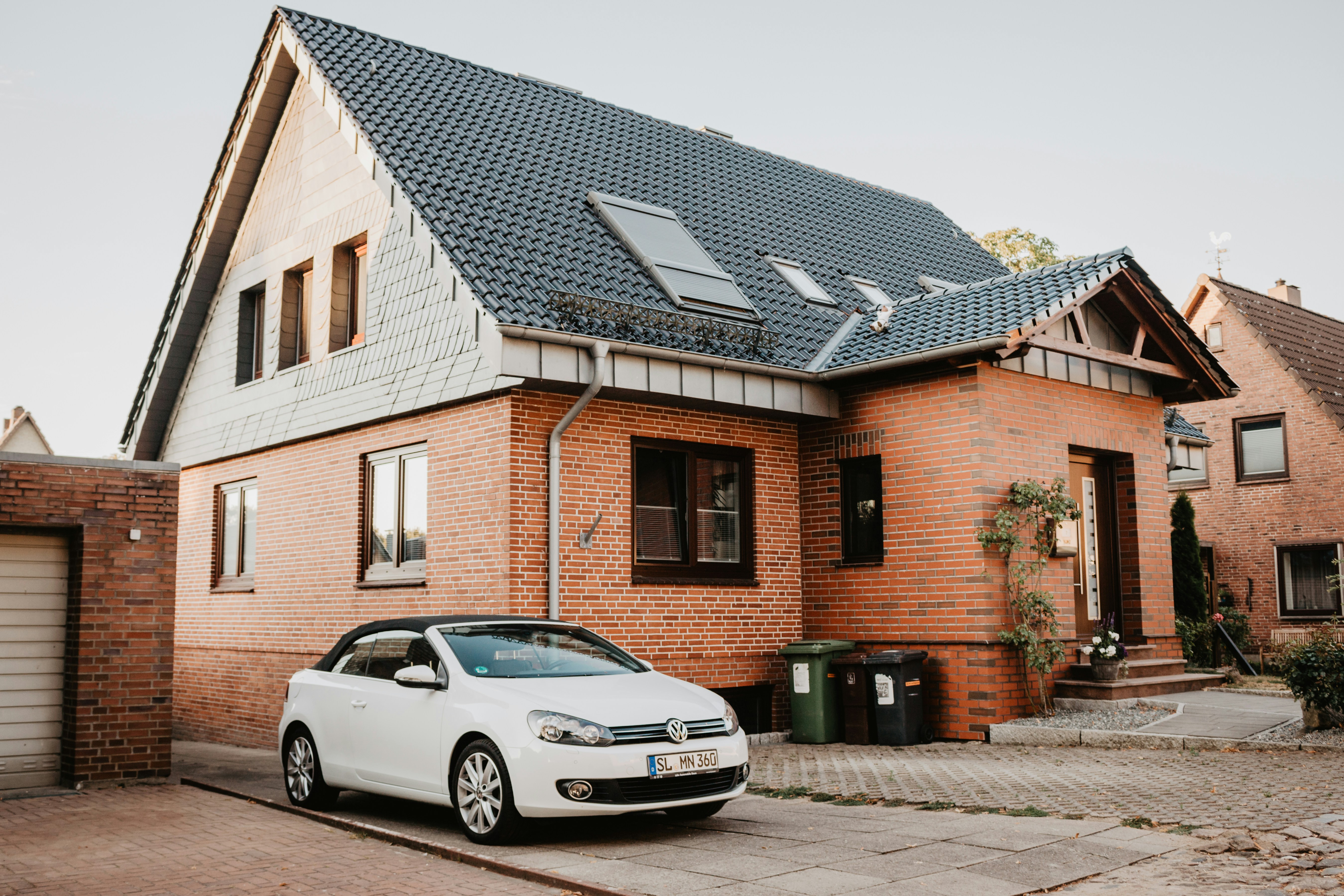
Can I Keep My House or Car If I File Chapter 7 Bankruptcy?
One of the biggest concerns people have when considering Chapter 7 bankruptcy is whether they will lose their home, vehicle, or other valuable property.
The good news is that many Chapter 7 filers are able to keep their homes and vehicles. However, the answer depends on several factors, including your loan balance, the value of the property, your monthly budget, and the exemptions available under Oklahoma law.
Understanding your options before filing can help you make the best financial decision for your future.
Step 1: Determine Whether the Payment Is Affordable
Before deciding to keep any property, ask yourself a simple question:
Can I comfortably afford the monthly payment?
Many people file bankruptcy because they are overwhelmed by debt. If keeping a vehicle or home payment will continue to strain your finances after bankruptcy, it may not make sense to keep the property.
Bankruptcy is designed to give you a fresh financial start. Sometimes that fresh start means walking away from an asset that has become financially burdensome.
Step 2: Evaluate the Terms of the Loan
Even if you can afford the payment, you should examine the terms of the loan. Ask yourself:
- Is the interest rate excessively high?
- Is the loan significantly underwater?
- Have I rolled negative equity from previous loans into this loan?
- Am I paying substantially more than the property is worth?
One of the major benefits of Chapter 7 bankruptcy is that it allows you to eliminate personal liability on many secured debts. In some situations, surrendering a vehicle with unfavorable loan terms may be the smartest long-term financial decision.
Step 3: Understand Your Equity
Equity is the difference between what a property is worth and what you owe on it. For example, consider the following scenario:
- Vehicle value: $15,000
- Loan balance: $20,000
In this situation, you have negative equity of $5,000 because you owe more than the vehicle is worth.
Negative equity often occurs when borrowers repeatedly trade in vehicles and roll unpaid balances into new loans. While this may lower immediate financial pressure, it often results in larger loan balances and higher interest costs over time.
Chapter 7 bankruptcy can provide an opportunity to break that cycle and start over financially.
Step 4: Understanding Oklahoma Bankruptcy Exemptions
Bankruptcy exemptions protect certain property from being liquidated by the bankruptcy trustee.
Oklahoma Vehicle Exemption
Oklahoma law protects up to $7,500 of equity in a motor vehicle.
For example, if you own a vehicle worth $20,000 free and clear, only $7,500 of that value is protected by the exemption. Depending on the circumstances, a bankruptcy trustee may seek to liquidate the vehicle and distribute the non-exempt equity to creditors.
Click here to view all of Oklahoma Bankruptcy Exemptions.
I Want to Keep My Car. What Are My Options?
If you are current on your vehicle payments, Chapter 7 bankruptcy generally provides three possible options.
Option 1: Reaffirm the Debt
A reaffirmation agreement is a voluntary agreement between you and the lender that allows you to keep the vehicle and continue making payments under the original loan terms.
The advantage is simple: you keep the vehicle.
The downside is significant: the debt survives bankruptcy.
If you later default on the loan, the lender may repossess the vehicle and pursue you for any remaining deficiency balance. In other words, you can once again become personally liable for a debt that otherwise would have been discharged.
Option 2: Redeem the Vehicle
Redemption allows you to purchase the vehicle for its current fair market value in a single lump-sum payment.
This option can be extremely beneficial when the vehicle is worth substantially less than the loan balance.
For example:
- Loan balance: $20,000.00
- Vehicle value: $12,000
Rather than paying the entire $20,000 balance, you may be able to redeem the vehicle for approximately $12,000.
Unfortunately, redemption is not commonly used because most bankruptcy filers do not have access to the cash needed for a lump-sum payment.
Option 3: Retain and Pay
Some lenders permit borrowers to keep the vehicle and continue making regular monthly payments without signing a reaffirmation agreement.
This is often called "retain and pay" or "ride-through."
The primary benefit is that you keep the vehicle while avoiding personal liability if you later default.
If the vehicle is repossessed after your bankruptcy discharge, the lender generally cannot pursue you for a deficiency balance because the underlying debt was discharged.
However, not all lenders permit this option, and some lenders will not report your payments to the credit bureaus.
Should You Reaffirm Your Vehicle Loan?
Many bankruptcy attorneys see clients sign reaffirmation agreements without fully understanding the risks.
In our practice, we generally advise clients to think carefully before reaffirming a vehicle loan, particularly when:
- The vehicle has significant negative equity.
- The payment is difficult to afford.
- The interest rate is excessively high.
- If you’re current on the loan payments; and
- The client is reaffirming solely to rebuild credit.
Consider this common scenario:
You reaffirm a vehicle loan that is $8,000 underwater. Six months later, the transmission fails or you lose your job. The lender repossesses the vehicle and sells it at auction. You may still owe thousands of dollars after the sale.
At that point, the debt that could have been discharged through bankruptcy has effectively returned.
For that reason, reaffirmation is not always the best choice.
Every Bankruptcy Case Is Different
There is no one-size-fits-all answer when deciding whether to keep or surrender a home or vehicle in Chapter 7 bankruptcy.
The right decision depends on:
- Your income and budget
- Whether you own or finance the property;
- The loan terms
- The available exemptions
- Your long-term financial goals
Speak With an Oklahoma Bankruptcy Attorney
If you are considering Chapter 7 bankruptcy and want to know whether you can keep your home or vehicle, we can help.
At Debt Solutions Law Center, we analyze every client's financial situation individually and provide practical recommendations designed to help them achieve long-term financial stability.
Call us today at (405) 702-7795 to schedule a consultation and learn about your options.
